Local News
B.C. could look at new evidence after Vancouver Island girl’s drugs cut off

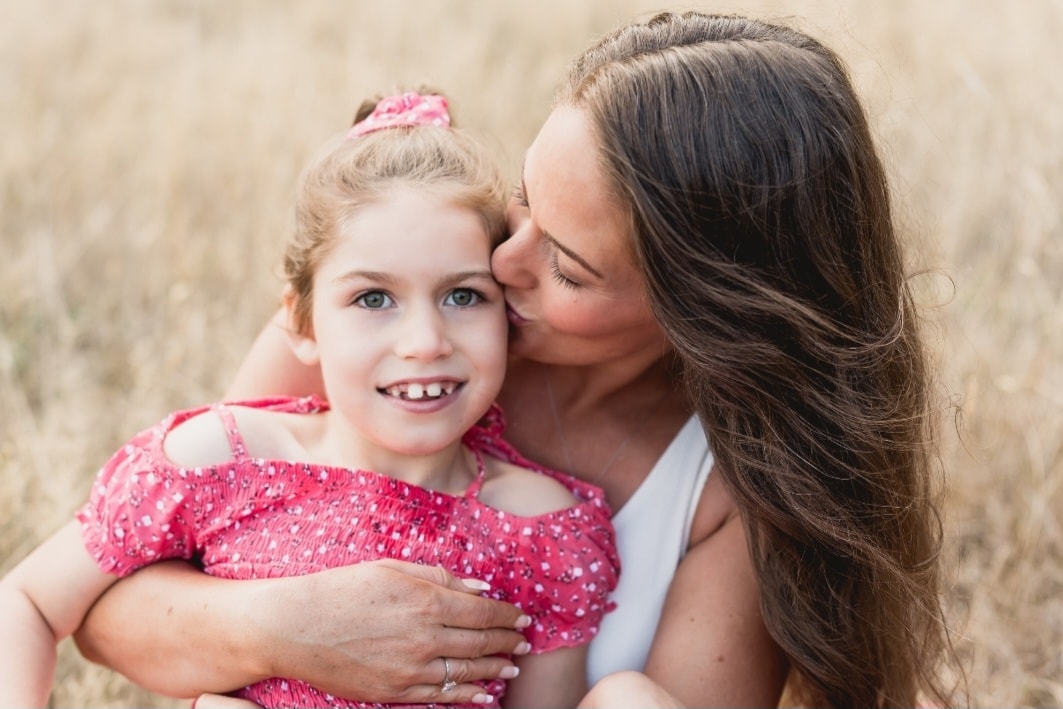
The B.C. government says it could look at new evidence in the case of a nine-year-old Vancouver Island girl with a rare terminal disease whose drug coverage was cut.
Premier David Eby explains that the family of Charleigh Pollock, who has Batten disease, met with Health Minister Josie Osborne last Friday, along with disease experts who say the province missed out on crucial information when it chose to cut off Charleigh’s coverage last month.
In June, the Ministry of Health explained that it was discontinuing its coverage of Brineura, one of the only treatment methods for Ceroid Lipofuscinosis Type 2 (CLN2), otherwise known as Batten disease. While it is not a life-saving drug, it aims to slow the progression of the disease.
At the time, Charleigh’s mother, Jori Fales, and Batten disease and family advocate Lori Brown shared that the government’s claims that Charleigh was no longer getting any benefit from taking Brineura were not true.
Speaking to 1130 NewsRadio, Brown says she thinks the meeting with the Ministry went well, but they’re anxious to hear the province’s decision.
“We walked away feeling hopeful, and there was a lot of new evidence, new information presented to the Health Minister that she hadn’t previously had access to, or had anyone brought forward,” Brown explained.
According to Brown, Osborne said during the meeting that she would present the information to the Canadian Drug Agency and the committee, “and that they would take some time to look through this information that they hadn’t previously reviewed.”
She says the family is feeling optimistic, but time is of the essence as Charleigh’s been off the medication for weeks now.
“We’re hoping that it will be as quick as possible. But we’re not waiting very long. I think among all of our team, we’re hoping that we will hear something back by Wednesday, but that hasn’t been confirmed with the minister’s office. They haven’t said that they’re going to come back with any answer in a specific amount of time, but we just know that we don’t have a lot of time,” Brown explained.
Brown isn’t mincing words when it comes to how important the medication is to Charleigh’s health.
“We need this right away,” Brown said. “[Neuroscientist] Dr. Ineka Whiteman has been quoted as saying that ‘time is neurons,’ so she is already losing those neurons right now, and we don’t regain those. The brain doesn’t regenerate, so she’s already deteriorating at maybe at a rate that we aren’t measuring right now, but it is already in progress.”
Brown explains that Brinuera’s enzymes only stay in the body’s system for two weeks before being fully metabolized.
Seeing Charleigh on Saturday, Brown says that seeing how she is doing is “truly remarkable.”
“She is such a character. She laughs and smiles and has great coordination, and dexterity, and strength,” she explained. “I knew that she was doing really well, but seeing her really, really drove home how wrong this decision is.”
While Eby didn’t give a timeline for getting back to the family, he says the door is always open for them to review new evidence, a clear switch from his previous tone on the matter.
Eby says the drug manufacturer should make sure that new evidence is submitted to the drug review agency so it can advise the province on what to do.