Local News
Debate continues over treatment for addiction patients with brain injuries

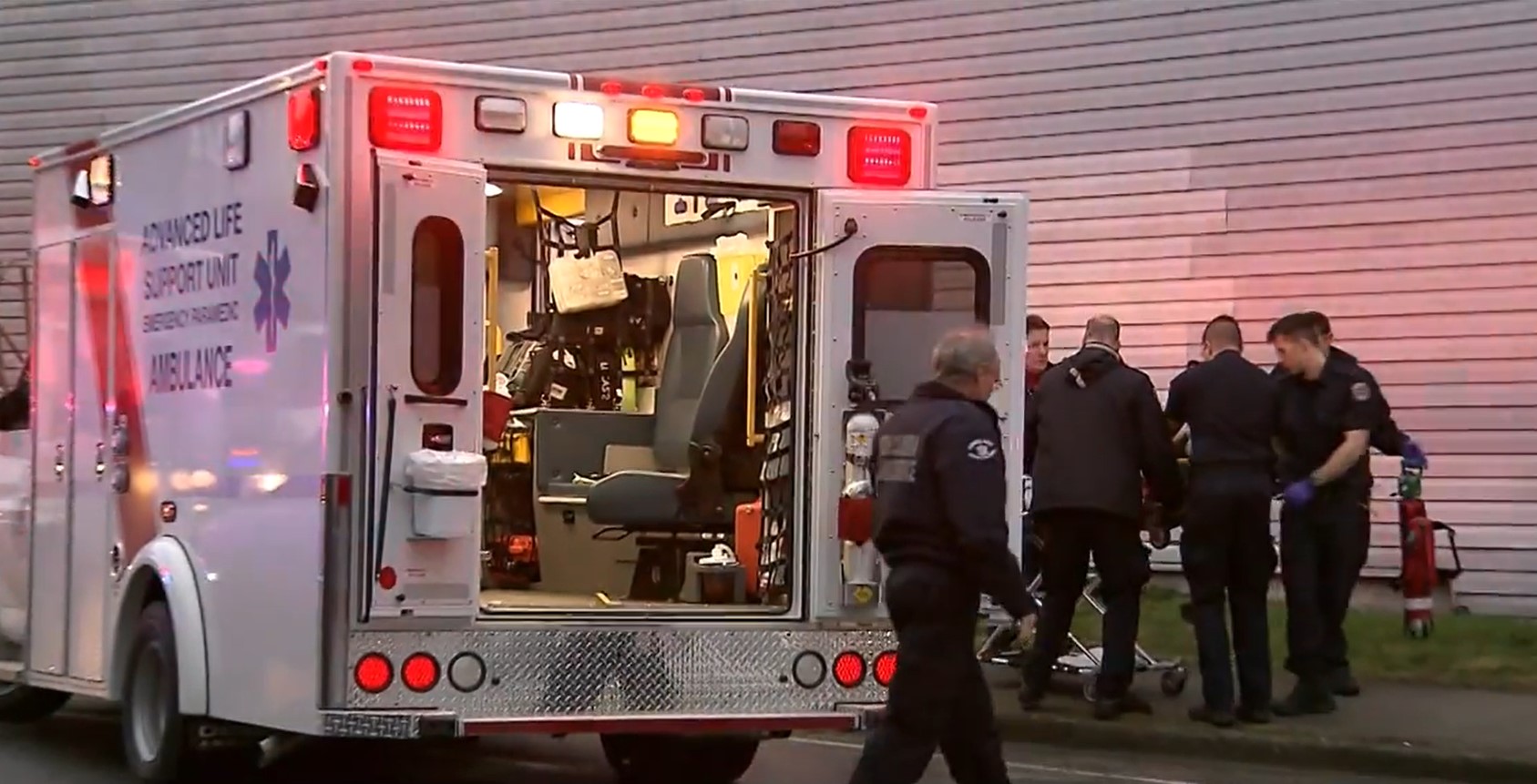
Toxic drug deaths have increased again in B.C., according to the latest report from the BC Coroner, breaking what appeared to be a downward trend at the beginning of this year.
In April, 165 people died from unregulated drugs, with most of those deaths connected to fentanyl.
What is often not discussed is those who overdose and survive but suffer some kind of brain injury.
A report from the BC Centre for Disease Control earlier this year said that from 2020 to 2021, the number of people who became brain-damaged because of drugs rose significantly compared to the period between 2015 and 2019.
The report authors suggest there is a growing population of those who survive toxic drug poisoning and then get diagnosed with brain damage.
“The existence of these drugs in our community will directly continue to result in damage to the brain of people who use them,” said Dr. Daniel Vigo, B.C.’s chief scientific adviser for psychiatry, toxic drugs, and concurrent disorders.
In September last year, the province launched what it called “secure care” for people with long-term addiction, mental health challenges, and brain injuries from drug use.
It said this kind of involuntary care would be provided in secure facilities and within the correctional system.
In 2019, a study found that over 3,000 people using drugs in Vancouver saw no significant improvement in their drug use habits when coerced into treatment when compared to those who didn’t get any treatment.
However, Vigo clarifies that B.C.’s version of involuntary care focuses on patients unable to make decisions.
“Forcing them into care when they don’t have a mental impairment associated with their mental disorder, that is highly controversial,” he said.
“That is for example what is being attempted in Alberta. They have an act they have proposed that would allow for the treatment of the addiction itself when it’s very severe and very risky for themselves and others. That has nothing to do with what we’re doing in B.C.
“What we’re doing here in B.C. is clarifying that the Mental Health Act, which is the involuntary care of people who have a mental impairment that makes them unable to choose and exercise their liberties.”
DJ Larkin, the executive director of the Canadian Drug Policy Coalition, says people with brain injuries from drugs don’t necessarily lack the capacity to make decisions and that the system could be more proactive in helping them.
“When someone has a brain injury, one of the things that can affect is memory and decision-making,” Larkin said.
“That doesn’t mean you need to be involuntarily detained. It might mean you need systems navigation. So let’s start there.”
While Vigo says B.C. is expanding both voluntary and involuntary care options, some mental health advocates suggest there’s too much weight on the forced approach.
The annual count of deaths from drugs dropped last year after nearly a decade of a public health emergency, but there is still no indication that B.C. has turned a corner on its highest unnatural cause of death.