
Entertainment
Drake faces class action lawsuit over ties to ‘illegal’ online gambling company

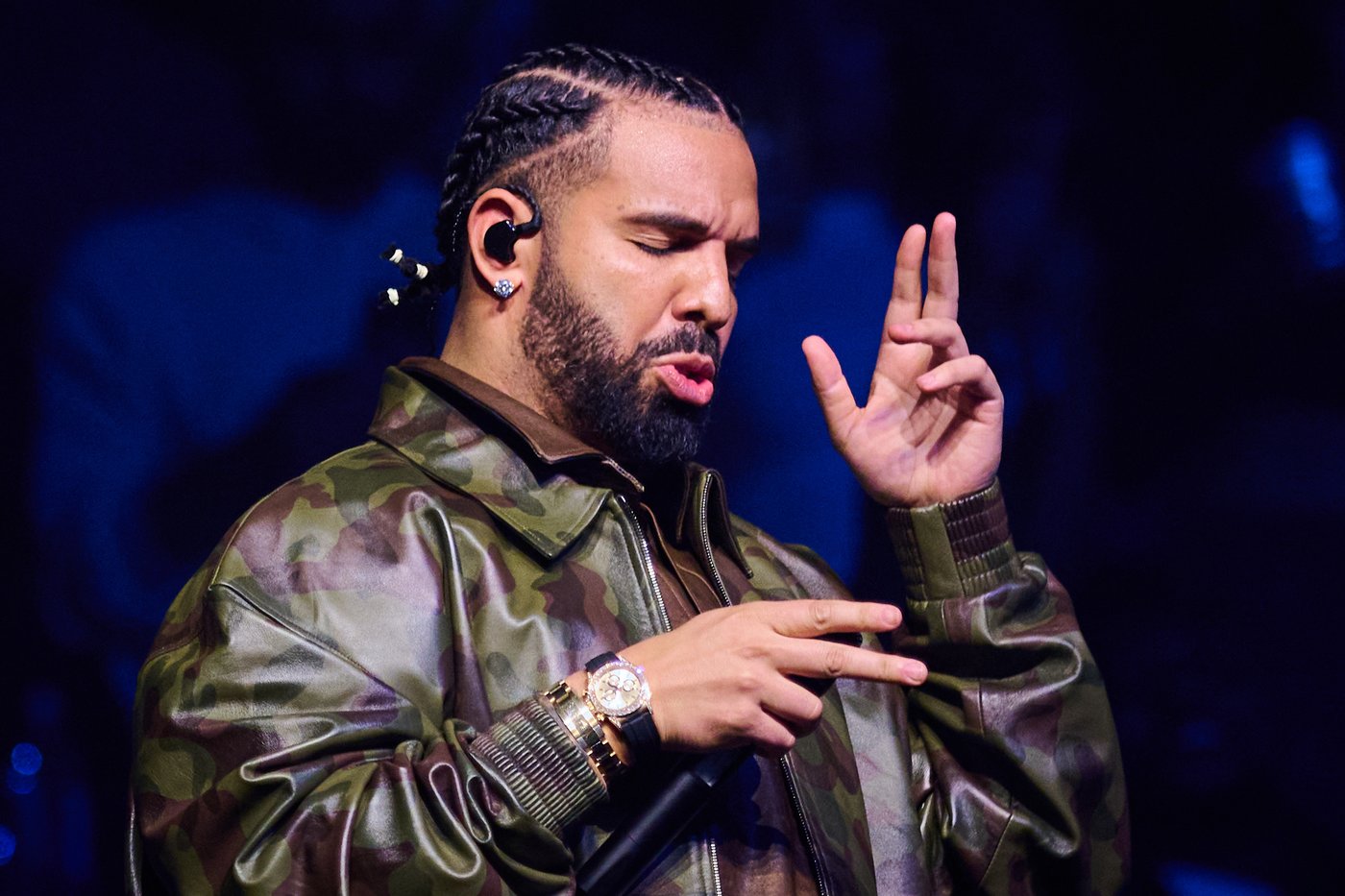
TORONTO — Drake is facing another legal battle in 2026.
The Toronto rapper has been named as part of a proposed U.S. class action lawsuit that alleges he, and other individuals, used proceeds from a gambling website to “obscure transmissions of money,” which were then used to artificially inflate his streaming music play counts.
The suit centres around Stake.us, the name of the American website for the Curaçao-based online casino operator Stake, which Drake often promotes on his social media profiles.
Among the claims, the suit says Drake, born Aubrey Graham, was “at the heart of the scheme,” working with social media influencer Adin Ross. Both, it says, were paid to promote the platform by gambling with virtual currencies that are “surreptitiously” provided by Stake.
None of the allegations have been proven in court, and representatives for Drake and Stake did not immediately respond to requests for comment.
The plaintiff’s lawyers are demanding a jury trial and are seeking at least $5 million in damages and legal fees.
The suit was filed on Dec. 31, 2025, in a Virginia court on behalf of LaShawnna Ridley, Tiffany Hines and it names all users of Stake.us as plaintiffs. It also names George Nguyen as another defendant, suggesting that he served as a facilitator and operational broker.
The statement of claim alleges that Stake.us is “an illegal online gambling platform” that was created to bypass restrictions after Stake.com was banned from operating in the United States. It says the site was promoted as a “social casino” that doesn’t gamble “real money.”
However, the suit says, the website uses “Stake Cash,” which can be redeemed for cryptocurrency or digital gift cards, effectively making it real money.
The plaintiffs also allege that Drake, Ross and Nguyen use the “tipping” function of the casino to transfer money “between and among themselves,” with some of the funds used to manipulate streaming platforms, such as Spotify.
The documents say the trio’s efforts were used “to create fraudulent streams of Drake’s music” which fabricated his popularity, distorted streaming playlists and “calibrated to mislead royalty and recommendation engines.”
As a consequence, the suit alleges their actions “suppressed authentic artists and narrowed consumers’ access to legitimate content by undermining the integrity of curated (streaming music) experiences.”
This report by The Canadian Press was first published Jan. 2, 2026.
David Friend, The Canadian Press