
World
Gang violence forces medical nonprofit Doctors Without Borders to suspend services at Haiti clinic

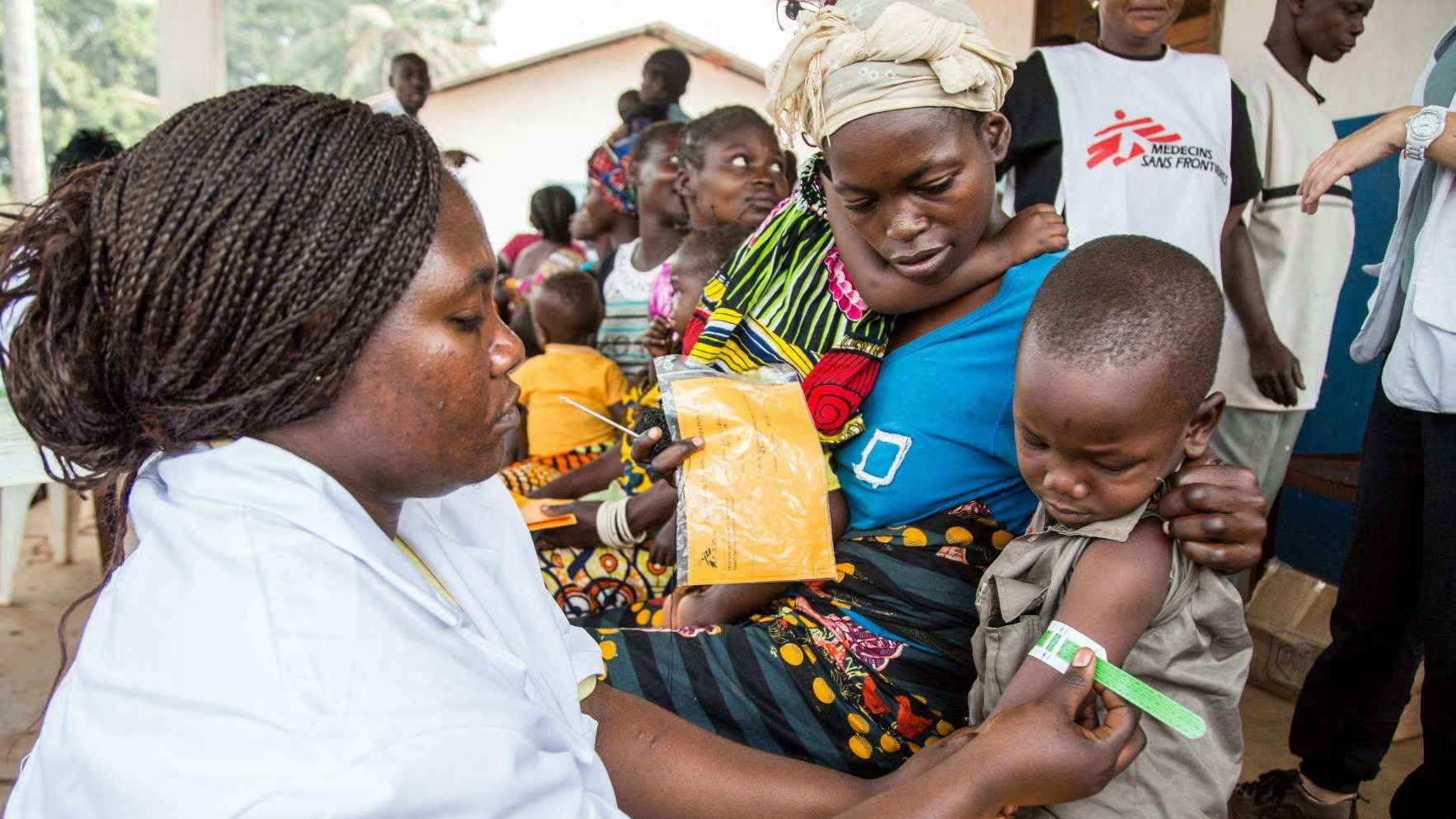
SAN JUAN, Puerto Rico (AP) — Humanitarian group Doctors Without Borders said Thursday that it was suspending services at a clinic in a violent neighborhood of Haiti’s capital given ongoing clashes between police and armed groups.
The announcement is a blow to the Bel-Air slum where the nonprofit group operated, because it offered the only medical services available in that area of Port-au-Prince, where it served several thousand patients each month.
Bel Air is largely controlled by the Krache Dife gang, which is part of a large gang coalition known as Viv Ansanm, which means “Living Together.”
Médecins Sans Frontières, or MSF, which is French for Doctors Without Borders, said that the violent clashes between police and armed men trapped seven community volunteers at the clinic for several hours on Tuesday.
MSF said that one former volunteer was seriously injured and died at the building’s gate.
“This situation is not an isolated case,” the organization said in a statement.
MSF, which began working in Bel Air in 2022, has previously had to suspend services because of violence.
In October, MSF announced that it was closing its emergency care center in another area of Port-au-Prince, because of ongoing violence in the capital, which is now 90% controlled by gangs.
Around 60% of health facilities in Port-au-Prince are closed or nonfunctioning, including Haiti’s general hospital.
From July to September, at least 1,247 people were killed across Haiti and another 710 were injured, according to the United Nations.
Ongoing violence has also displaced more than 1.4 million people across the Caribbean country in recent years.
A U.N.-backed mission led by Kenyan police officers is helping an understaffed and underfunded Haitian police department fight gangs, but it is transitioning into a so-called gang suppression force that would have the power to arrest suspected gang members.
The initial mission launched in mid-2024, but by late 2025, it still had less than half the personnel envisioned and only 14% of the estimated $800 million it needed annually.
The Associated Press