
Canada
Gaza advocates urge Canada not to ignore persistent suffering

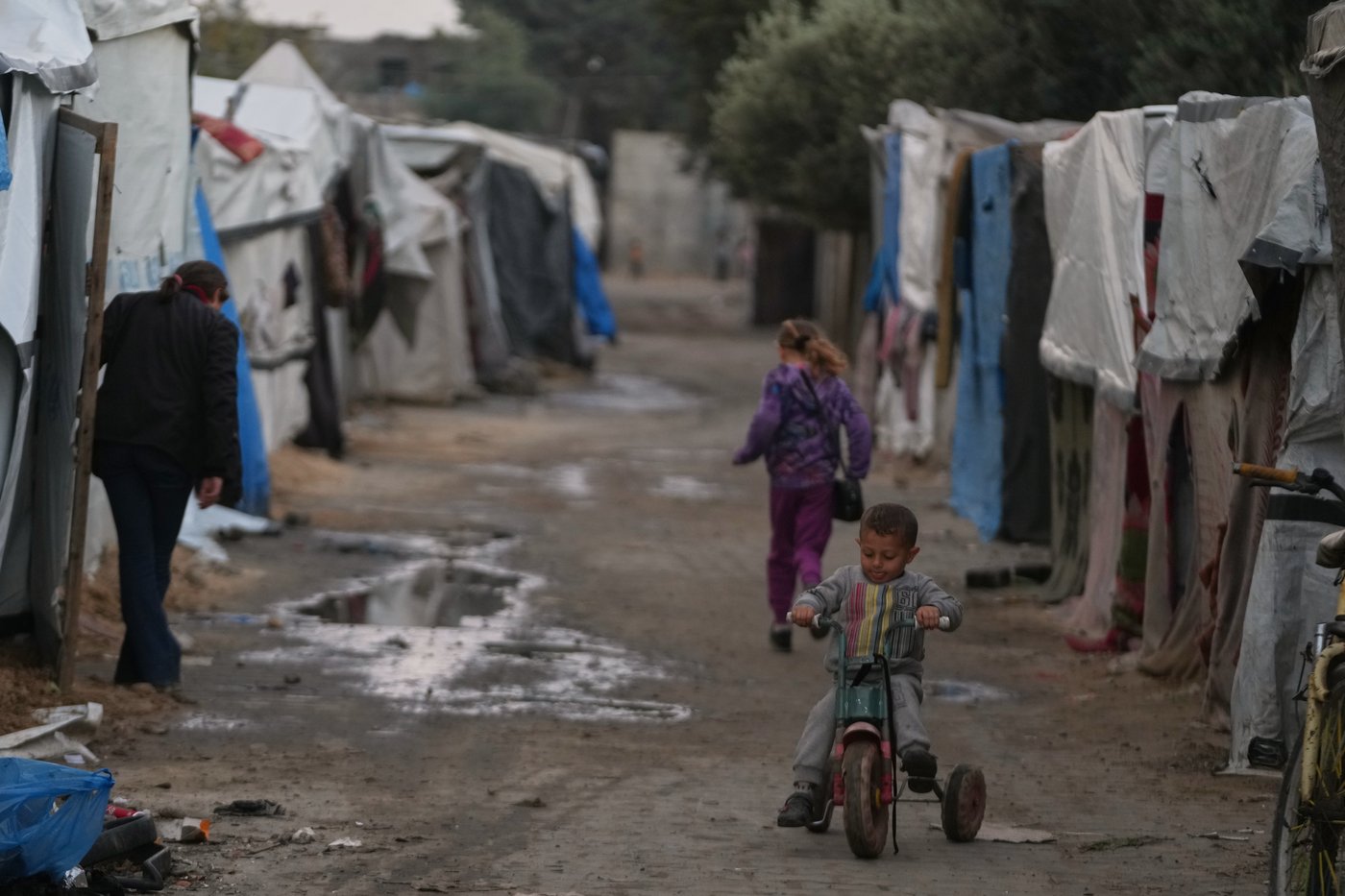
OTTAWA — Advocates for Palestinians are urging Ottawa to do more to stop a deteriorating humanitarian situation in Gaza, saying the release of Israeli hostages hasn’t stopped preventable deaths and violence in the enclave.
“There really hasn’t been much change on the ground,” said Doctors for Humanity co-chair Aliya Khan. “It seems as if this ceasefire has only accomplished a removal of attention.”
She was among activists at a Tuesday press conference on Parliament Hill who said Canada needs to increase pressure on Israel to stop ceasefire violations and push harder for humanitarian aid, following an October ceasefire that led to the release of all living Israeli hostages held by Hamas.
The activists pointed to numerous reports of children and toddlers dying from hypothermia, as winter storms batter Gaza and locals can’t find supplies like tents.
They say Ottawa should tighten its arms-export restrictions, sanction more Israeli leaders and call for independent investigations into ceasefire violations. Global Affairs Canada did not have an immediate response.
October’s ceasefire deal calls for a minimum of 600 trucks to be allowed to enter Gaza daily, which Israel and the U.S. say has been happening. The World Food Program says the number has been closer to 256 trucks in the first two weeks of December, based on data from industry and a Hamas-affiliated ministry.
In any case, the ceasefire doesn’t specify if those trucks must carry aid, and the non-profit Refugees International said last week that commercial supplies are often being prioritized ahead of aid. Cigarettes and cellphones have reached Gaza, but not large amounts of affordable food.
The Associated Press reports that markets in Gaza are now better stocked, and high prices for essentials such as flour and meat have begun to ease, but most people say they cannot afford such goods after two years of war.
About 80 per cent of those trucks reaching Gaza are private-sector vehicles, according to the Israeli military agency in charge of co-ordinating aid to Gaza, known as COGAT. The agency has stopped publishing detailed data on trucks reaching Gaza, arguing that sharing such details would benefit Hamas.
But the agency says 70 per cent of trucks are carrying food, and “the remainder carry medical equipment, shelter supplies, tents, clothing and other essential humanitarian assistance.”
Israeli bars items it argues could be used for military purposes, such as tents with aluminum frames. Aid groups point out that Israel has denied the entry of medical supplies and basic food items, Khan noted.
“Babies are being deprived of baby formula,” she said. “This is so barbaric, that we would deprive innocent babies and children of food and water.”
The world’s major famine-monitoring organization, the IPC, declared last Friday that the food situation remains critical in Gaza, but shifted its classification of the territory from its most severe rating to the second-most severe because of more aid access.
The report found at least 1.6 million people still face high levels of acute food insecurity, and the entire territory is at risk of famine through to mid-April if conditions deteriorate. Under current conditions, nearly 101,000 children under five years old are likely to suffer acute malnutrition through to mid-October 2026.
Meanwhile, both Israel and Hamas have killed civilians, including through a recent Israeli artillery strike at a school that had been turned into a shelter, though monitors say there have been far fewer bombardments since the October deal.
Israel blames Hamas for ceasefire violations and insists it is upholding humanitarian law, despite a torrent of criticism over the country’s high death count in Gaza. The Israeli government has also suggested that conditions will improve when Hamas returns the last remaining body of an Israeli killed during the Oct. 7, 2023 attack.
Israeli Defence Minister Israel Katz vowed Tuesday that his country’s military would “never” leave Gaza entirely, but then clarified that his government does not plan to establish settlements inside Gaza.
At Tuesday’s press conference, Catherine Clase, who co-leads Doctors for Humanity, said colleagues returning from Gaza report “the zero stock of antibiotics and surgical equipment, the lack of soap to wash hands, the lack of bleach to wash blood from the emergency room floor, the lack of anesthetic for cesarean sections and amputations.”
Clase said many Canadians have pointed to the release of hostages and talk of a ceasefire, and suggested the humanitarian situation in Gaza must be better.
“Things have not improved in Gaza in the way that they might think they have. The promised number of food trucks is not entering. The food insecurity is extreme and will continue for months,” she said.
“We really need to put pressure on Israel now, to change its behaviour, to uphold the ceasefire, to let the food trucks in, to let the humanitarian aid in — and to let journalists in, so that we can as a world know what has been happening.”
Israel bars foreign journalists from entering Gaza if they aren’t embedded with Israel’s military, a practice the Committee to Protect Journalists says is unheard of in modern times. Observers have called this the deadliest conflict for journalists in recent memory, with more than 200 journalists killed in Gaza since the war started.
Fareed Khan, the head of Canadians United Against Hate, said on Parliament Hill that Canada is losing its credibility when it touts the importance of international law, because it still refuses to refer to the conflict as a genocide. Ottawa has said it is waiting on the International Court of Justice to decide whether a genocide is taking place.
“The hypocrisy is galling,” Khan said.
This report by The Canadian Press was first published Dec. 23, 2025.
— With files from The Associated Press
Dylan Robertson, The Canadian Press