Local News
How B.C. shape key parts of Ottawa’s bail and sentencing reforms

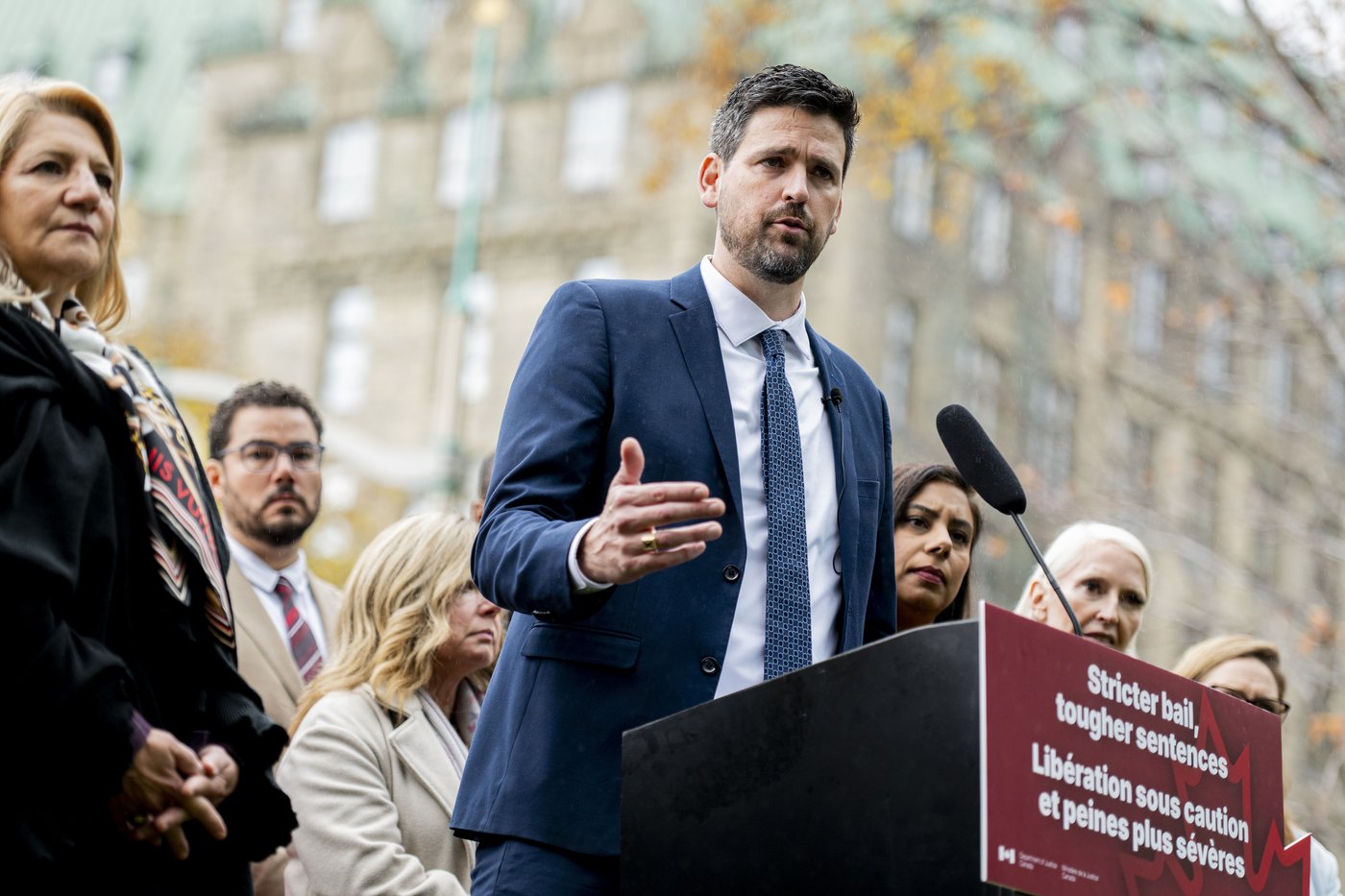
We are learning more about what’s inside Ottawa’s Bail and Sentencing Reform Act, and how B.C. played a big role in helping shape some of the key measures in the sweeping legislation.
Bill C-14, tabled in Parliament last week by Justice Minister Sean Fraser, takes direct aim at repeat and violent offenders.
The proposed changes to the Criminal Code reflect months of direct input from the provincial government, B.C. mayors, and local police forces who’ve been calling for tougher rules to keep high-risk offenders off the streets.
Among the biggest changes B.C. advocated for: reverse onus provisions for people charged in violent extortion cases and sexual assaults involving choking or strangulation.
That means the burden shifts to the accused to prove why they should be released on bail, rather than the Crown arguing why they should be held.
Those measures were pushed directly by Attorney General Niki Sharma and Public Safety Minister Nina Kreiger.
“For both Minister Krieger and Minister Sharma…the level of engagement that I saw was uncommon compared to the experiences that I had across different portfolios over the course of 10 years in federal politics,” said Fraser during a news conference in Victoria on Monday.
Fraser says B.C. also helped shape several sentencing measures in the legislation — including new provisions allowing consecutive sentences in cases where extortion is tied to other serious crimes like arson.
If passed, it would mean offenders could serve time for each conviction back-to-back rather than simultaneously.
“For example, someone who commits extortion and combines that with the offence of arson by burning down the home or place of business of the person that they were seeking to extort,” said Fraser.
The bill would also eliminate house arrest for serious sexual offences, including crimes against children — another priority for B.C., according to Fraser.
Other proposed changes that came through provincial consultations:
- Bail hearings factoring in the number of outstanding charges against an accused, not just the most recent offence.
- Restore the Crown’s ability to issue driving prohibitions in cases of criminal negligence causing death or bodily harm.
- Allow for virtual B.C. Review Board hearings, aimed at easing pressure on the justice system.
“We needed to see B.C. reflected in this bill,” said Sharma. “So I’m grateful to Minister Fraser and his team, and the work continues,” she added.
Second bill coming
Bill C-14 now heads to Parliament, but the Liberal government is signalling another piece of similar legislation will be tabled before Christmas.
Fraser says that the bill will be focused on intimate partner violence, potential first-degree murder presumptions in certain femicide cases, and additional tools for sexual-offence cases and court delays.
“B.C. will be at the table presenting our ideas…and what we need to do to make a justice system that everybody sees, shows proper respect for the law, puts the right people behind bars and upholds what we all want, which is safer communities everywhere across the country,” said Sharma.