
Canada
Liberal MPs leave delegation to Taiwan to ‘avoid confusion’ as Carney heads to China

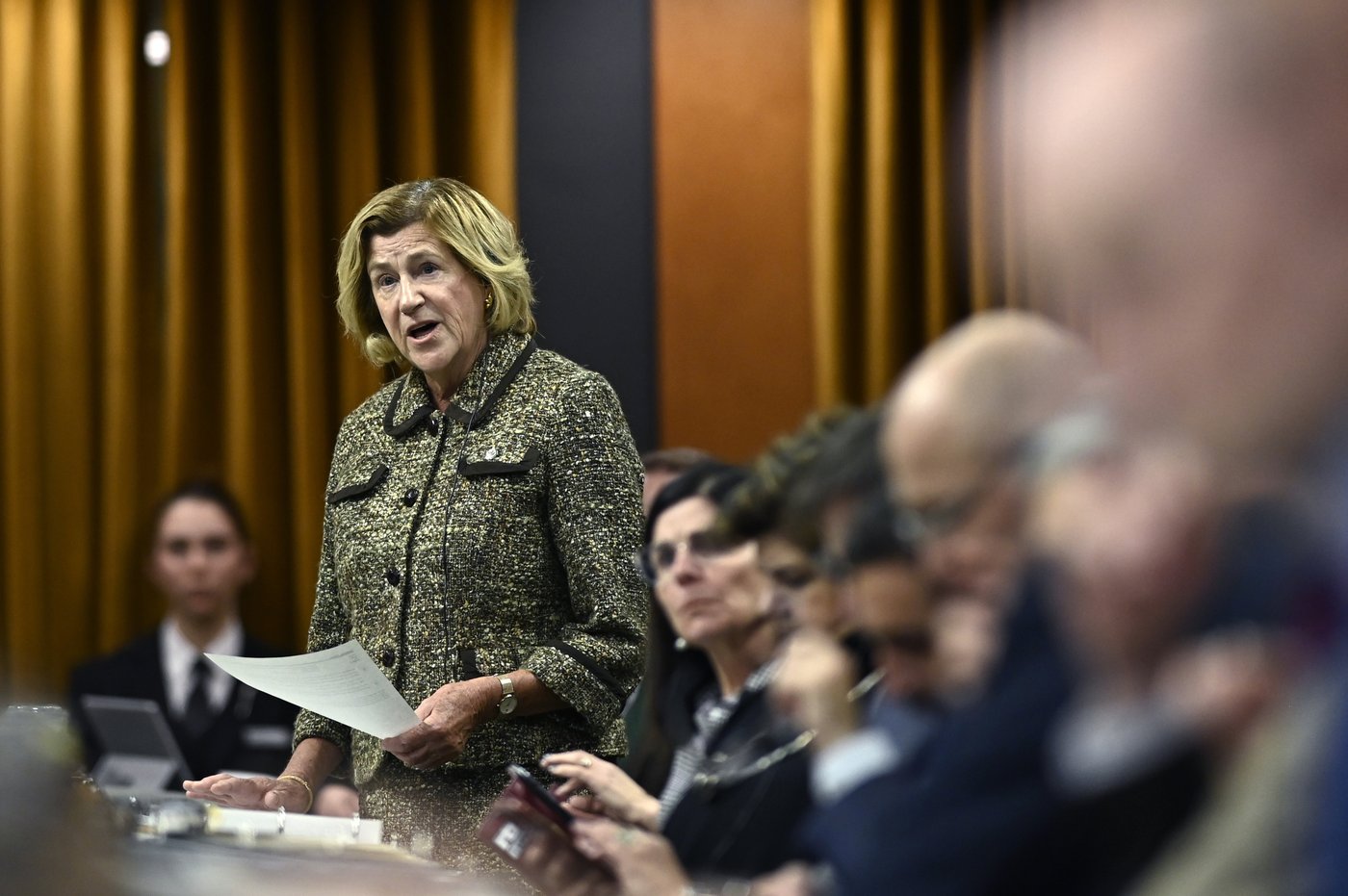
OTTAWA — Two Liberal MPs say they are quitting a sponsored trip to Taiwan early to “avoid confusion” about Canada’s China policy as Prime Minister Mark Carney prepares to visit Beijing.
In a joint statement, Ontario Liberal MPs Helena Jaczek and Marie-France Lalonde said while they are returning to Canada based on “advice from the government,” it does not change Canada’s stance on Taiwan.
“As this portion of the visit concludes, informed by advice from the government, we are returning home. It’s important that we avoid confusion with Canada’s foreign policy, given the overlap with the prime minister’s engagement in Beijing, which was only confirmed last week,” the joint statement says.
“We remain committed to efforts by the prime minister to expand sustainable and diverse trade partnerships in the Indo-Pacific Region.”
Jaczek and Lalonde described the Taiwanese trip as one focused on trade, culture and “people-to-people engagement.”
Conservative MPs on the trip are still in Taiwan and a party spokesperson said they plan to finish the planned itinerary. They include deputy leader Melissa Lantsman, Adam Chambers and Shelby Kramp-Neuman — all MPs representing Ontario ridings.
Michael Chong, Conservative foreign affairs critic, said the Liberal MPs’ decision to quit the trip early is “nothing short of kowtowing to Beijing’s authoritarianism” and his caucus colleagues were not asked to return to Canada.
“Ordering elected representatives home to avoid offending an authoritarian regime sends a clear message: convenience comes before principle,” Chong said in an emailed statement.
“It’s increasingly looking like Prime Minister Carney is taking the same approach as (former prime minister Justin) Trudeau on the communist government of China.”
Carney is scheduled to leave for China Tuesday for discussions on trade and security issues, including a bilateral meeting with President Xi Jinping.
Carney is trying to reset Canada’s relationship with China, particularly on trade. Canada imposed 100 per cent tariffs on Chinese electric vehicles in 2024 and China responded with tariffs on certain canola products.
China sees self-governed Taiwan as its territory and has not ruled out taking the island by force.
China is opposed to foreign parliamentarians and governments visiting Taiwan, viewing it as outside meddling in its domestic affairs.
Last October, after Foreign Affairs Minister Anita Anand met her counterpart in China, Beijing’s foreign ministry highlighted Ottawa’s long-standing position of not recognizing Taiwan as an independent country.
Anand said at the time that Canada’s still has a One China policy but would continue to engage with Taiwan to advance Canadian interests.
Taiwan is Canada’s sixth largest trading partner in Asia and its 15th largest globally, according to Global Affairs Canada.
During a Feb. 14, 2022 House of Commons committee meeting on Canada-China relations, Weldon Epp, now assistant deputy minister (Indo-Pacific) at Global Affairs Canada, said that Canada’s “unofficial” relations with Taiwan are “strategically ambiguous” in the context of Canada’s China policy.
He said this approach has allowed Canada to develop trade, education and research ties in the region through “a very ambiguous and flexible approach.”
On Jan. 1, Canada condemned China’s military drills around the Taiwan Strait, saying it is “in the interest of all parties to maintain the peaceful and accessible nature of this waterway.”
This report by The Canadian Press was first published Jan. 12, 2026.
— With files from Dylan Robertson and The Associated Press
David Baxter, The Canadian Press