Local News
Petition calls on feds to protect residential school survivor testimonies from destruction

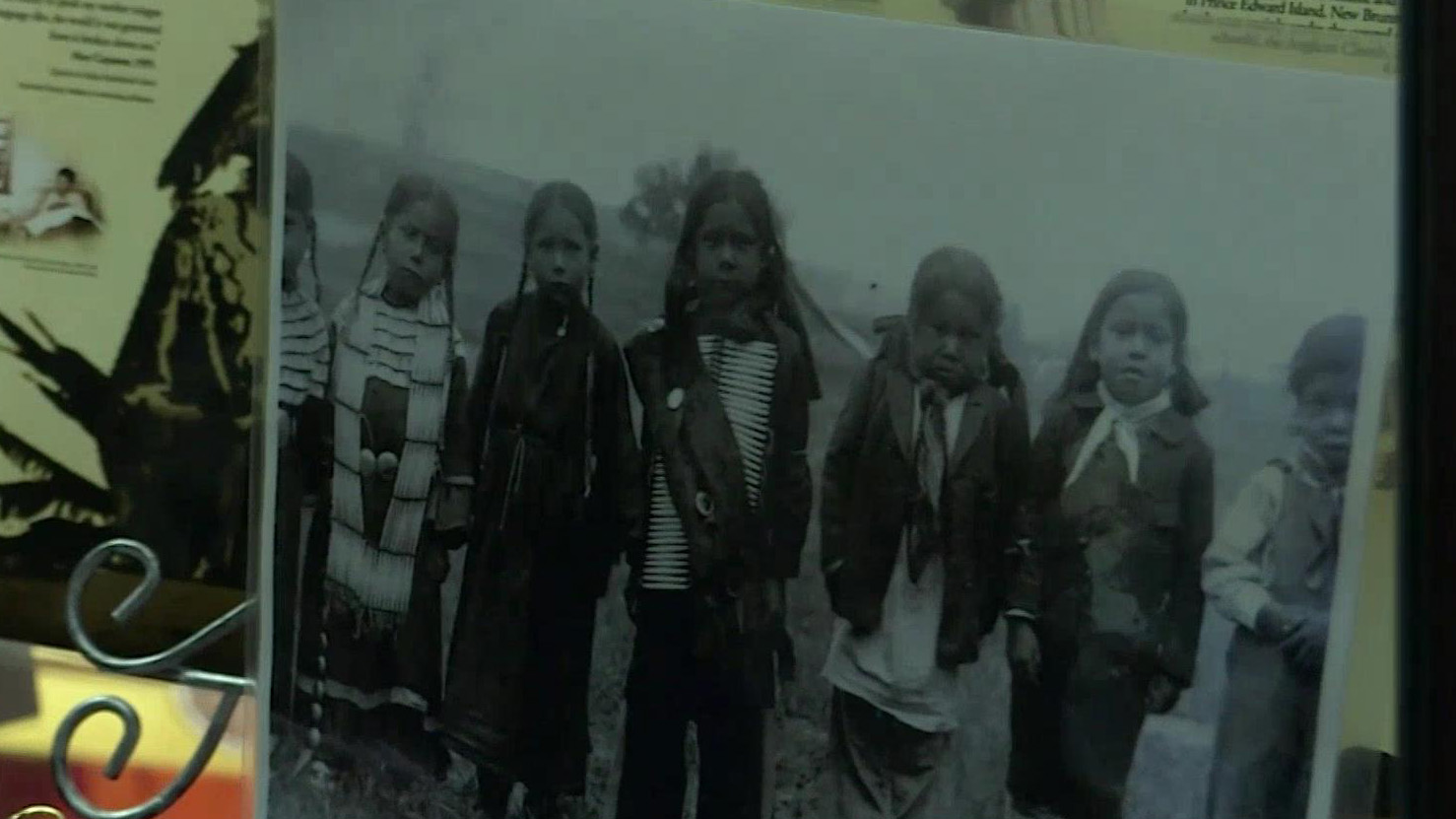
Some of the historic documents collected by the Truth and Reconciliation Commission, which went on to form the foundation of Canada’s reckoning with its dark past of residential schools, are now at risk of being destroyed in 2027.
In partnership with the Anishinabek Mukwa Dodem – the traditional governing body of the Anishinabek Nation – Tiana Vrbanik filed a petition in November asking the federal government to ensure all residential school records are preserved.
“People aren’t understanding the full history of Canada, and I think everybody, if you live in a country, you 100 per cent have to learn your history,” said Vrbanik.
In general, the petition asks for immediate measures to prohibit the permanent loss of all residential school records, ensure long-term availability to Indigenous communities, survivors, and the public, and provide resources to support archival and community access initiatives.
“Many of the stories survivors shared were of horrific abuse, violence, sexual abuse, psychological abuse, dehumanization,” explained survivor’s secretariat Laura Arndt.
“Our hope is that there can be some formula set up so that those records can become part of a national repository so that, as we do this work, we won’t disclose what shared but what we can do is see how they may help us find the names of children who disappeared or were disappeared, who died while attending residential school, so the records are critical to understanding the truth of what happened.”
Between 2009 and 2015, thousands of survivors shared stories of their childhood with the National Centre for Truth and Reconciliation (NCRT). In 2014, the Ontario Superior Court ruled that these documents must be destroyed after 15 years, which was upheld by the Supreme Court of Canada in 2017.
The records contain the survivor’s personal information, along with testimonies. To preserve the records, the survivors must contact the NCRT before September 19, 2027.
“I don’t believe they should have to opt in to obtain their own records,” said Vrbanik. “I feel it’s something, kind of the same as medical records, where you should be entitled to them and not to mention the communities who don’t even know this is going on.”
“Their truth-telling helps us decide the path forward for healing, for our own families, for our nations and for our relationship with Canada,” added Arndt.
The petition is open for signatures until March 5, 2026.