Local News
Surrey teacher shares tips on addressing ‘lunchbox shaming’ at school

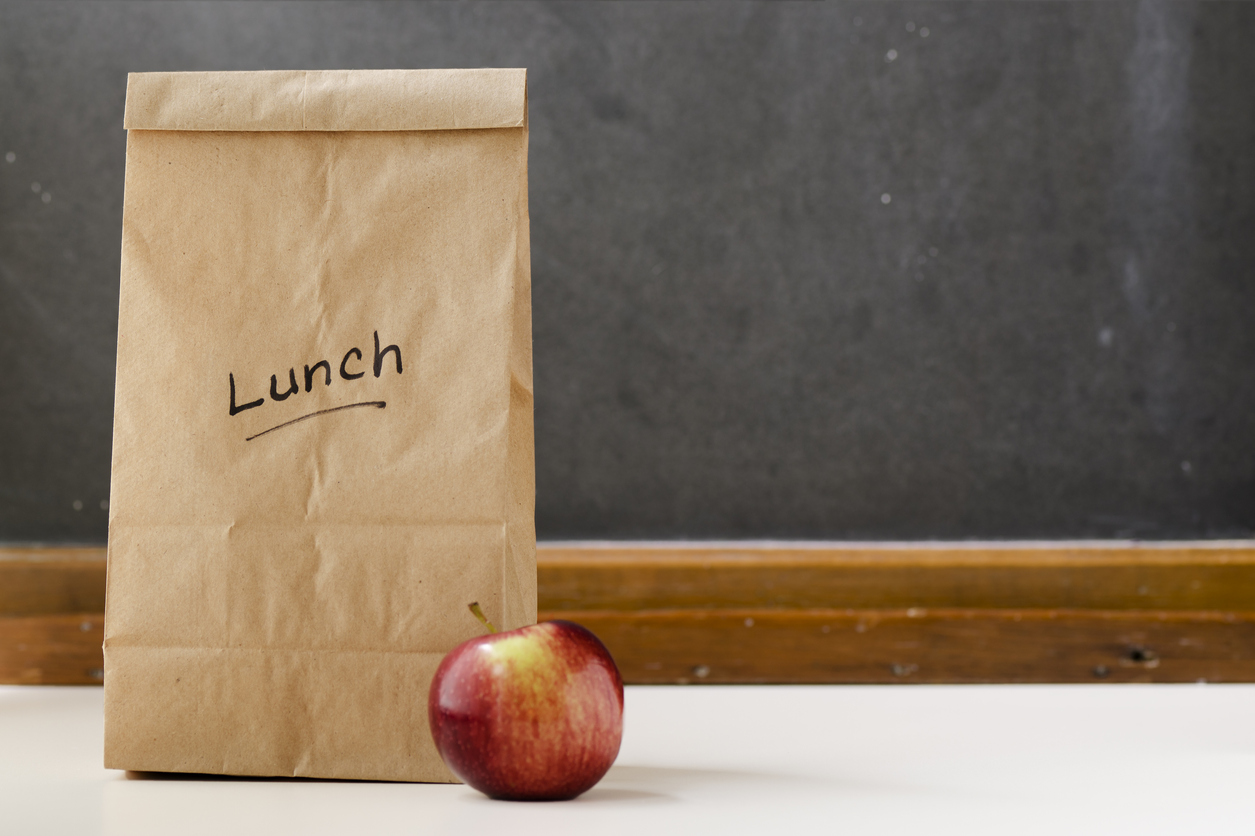
For many students, choosing what to bring for lunch can be as nerve-racking as the first day of school.
A survey by Sistema Canada finds that about one in every four Canadian students experience “lunchbox-shaming” by their fellow classmates, which can cause anxiety and be very upsetting for some children.
The results of the poll suggest students’ lunches can often reflect a family’s culture, traditions, and socio-economic status, which makes it even more hurtful when they are called out by other students.
Surrey elementary school teacher Candice Wong says when students bring in food that is unfamiliar to their classmates, or something that may smell a bit different from what they are used to, it elicits a reaction that can often be negative.
“It does open up the floor for them to potentially say something that could be hurtful; even though kids may not mean to do that, it can come across that way,” Wong said.
“It could be something as simple as, ‘What’s that?’ or ‘That’s gross,’ and that can be very upsetting for kids, and some of them don’t know how to process it.”
Wong, who is Chinese, says she experienced lunchbox shaming when she was a student.
She remembers one occasion in particular.
“There were comments, and it wasn’t necessarily an act, but just even being noticed in school, it’s difficult when you’re amongst peers. Anybody pointing out anything can feel like something that makes you feel more insecure or makes you feel judged,” she said.
“So I hate to admit that I stopped bringing those types of lunches to school. And maybe my reaction was bigger than the reaction that I was even getting from my peers, but it stayed with me.”
Wong says parents with children who experience lunchbox shaming should educate them about their meals and even have them help by cooking.
“When it comes to food acceptance, first, we talk about kind of the science of food, and the nutrition of food and then from there we go around the circle and we talk about our favourite foods,” she said.
“Often you will hear words from a different language or specific foods that come from specific cultures, and that’s when those conversations can start to happen.”
Wong says if kids know more about the food, they might be proud to share those facts.
“So if somebody were to question them about it, they might just say, oh, that’s just this type of food mixed with this type of food,” she said.
“I think that a lot of the time with cultural or ethnic foods, kids feel like it’s different because it looks different, but it could really just be ingredients that they’re familiar with prepared differently.”