Local News
TransLink announces increased bus service coming to Metro Van

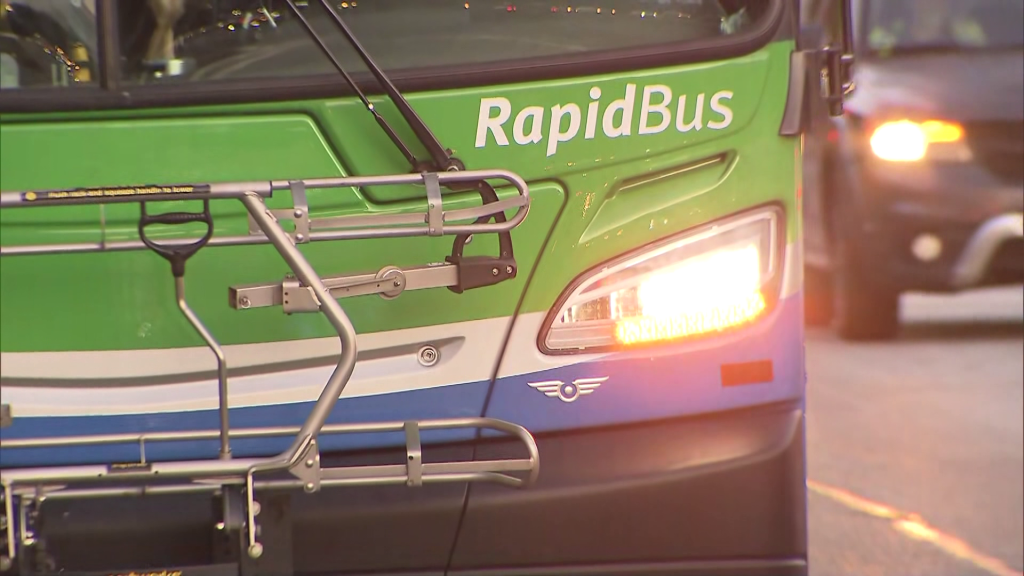
TransLink will be adding 40 new bus routes starting in September to meet increasing demand.
The announcement comes after TransLink said that more than one hundred routes could be at risk of being removed due to a lack of funding in March.
But in April, the region’s Mayors’ Council approved a 2025 Investment Plan to grow bus service by five per cent over the next two years in an effort to relieve overcrowding on 50 of its busiest routes.
The plan also includes adding routes in high-demand areas like the Tilbury Industrial Park in Delta.
TransLink CEO Kevin Quinn says the approved funding made it possible to add the new services announced Wednesday at an annual general meeting.
“We’re going to have the largest bus service increase since 2018,” said Quinn.
“That means increasing service to 50 routes, 40 new or improved routes, including those serving these really rapidly growing industrial areas, especially some of those that we’re seeing south of Fraser.”
Quinn says some of the new services will include more service to the region’s parks and beaches as well as rapid bus service from the North Shore to Metrotown to be implemented by 2027.
“People are going to start to see more service, especially on those most overcrowded routes… This investment plan sets us up well for the future, allows us to get back to what we do best, which is delivering the transit service that we know Metro Vancouver really needs,” said Quinn.
The plan is funded through several measures, TransLink explained in April, including a $20 increase in property taxes for median households in 2025 and a fare increase of $0.14 for the average trip starting in July 2026.
The B.C. government is also investing a one-time contribution of $312 million and a commitment to a new revenue source by 2027.
TransLink provides 5.5 million service hours every year, operating commuter trains and the SeaBus, as well as trolley and regular buses, but said it faced a shortfall of $600 million per year.
—With files from Dean Recksiedler