Local News
Vancouver developer warns of hotel shortage gong show during World Cup

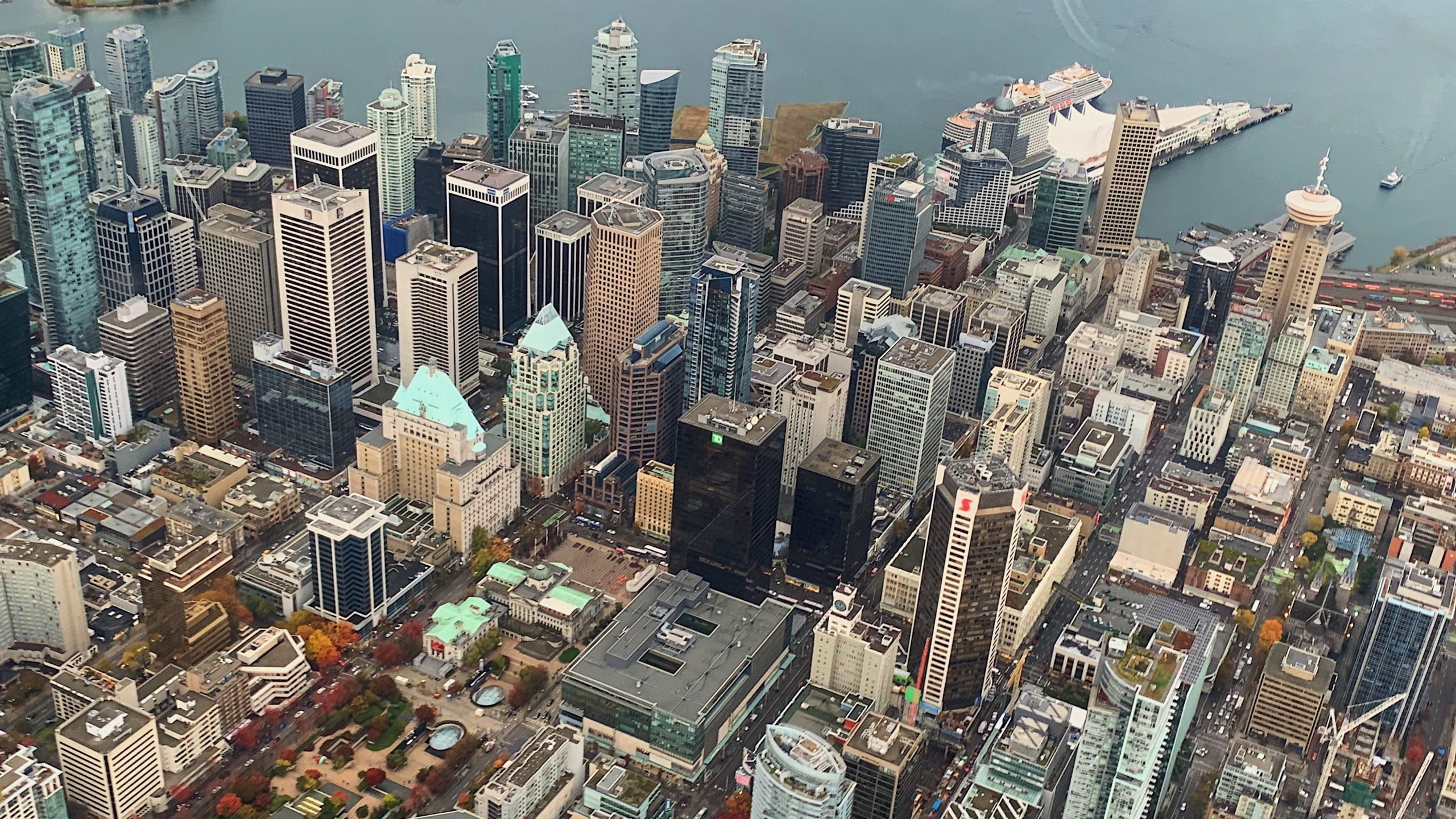
A major player in Vancouver’s tourism sector is warning the city may not be ready to host the 2026 FIFA World Cup, with simply not enough space for visitors to sleep.
Stanley Dee, founder of commercial real estate company Deecorp and owner of three major hotel development sites in Vancouver, tells 1130 NewsRadio the city’s accommodation shortage already reaches “crisis level during peak times.”
“Major events like Taylor Swift, the Invictus Games, the Alcoholics Anonymous (AA) convention,” Dee said.
With 350,000 people expected to visit Vancouver during next year’s World Cup, he says the city is heading toward what he describes as a “gong show” if action isn’t taken quickly.
City estimates released earlier this year show Vancouver has roughly 13,000 hotel rooms. That number, Dee says, has barely moved in more than a decade — and in some years shrank — as developers focused on building condos, where profit margins are higher.
During that period, new hotel projects also stalled under lengthy approval timelines and, more recently, rising construction costs.
Now, Dee says, the consequences are harder to ignore, with industry voices increasingly worried the city’s room shortage could become international news when the World Cup begins.
“We don’t want to be sending a message to the world that we’re not open for business.”
Short-term fix
B.C.’s crackdown on short-term rentals has already reduced the number of Airbnb-style listings available in Vancouver.
Dee says unless temporary flexibility is introduced, the by-the-book enforcement could leave thousands of visitors scrambling for alternatives.
“It just makes sense … a one-time event for several weeks. [The province] just needs to make a rule for it — a provision.”
He is also urging the City of Vancouver to consider issuing temporary short-term rental licences to developers.
“And you could obtain a temporary license for a price.”
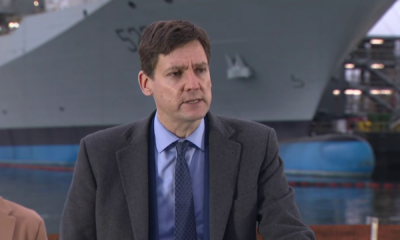
Premier David Eby has acknowledged the “huge demand” for short-term accommodation and is encouraging people to rent out their own homes. However, the province has not committed to loosening rental rules during the World Cup.
A recent Deloitte analysis — commissioned by Airbnb — predicts the accommodation gap could push hotel prices up more than 200 per cent during the tournament, with some rooms approaching $900 per night.
The report estimates a shortfall of 70,000 room-nights across Metro Vancouver, translating into tens of millions in lost visitor spending.
Structural issue
Dee stresses the World Cup is exposing a larger, long-standing problem: Vancouver needs 10,000 new hotel rooms by 2030 to keep pace with demand, yet almost no major projects are moving forward.
“The cost of building a hotel is a factor for sure. But then there’s just the overall uncertainty about it. And, when things are uncertain…when you’re in the dark…you stop moving.”
He also believes the federal budget missed an opportunity to treat hotels as infrastructure, calling for incentives to speed up construction and attract investment.
“Vancouver is incredibly well-positioned for global events and tourism. Except we’re short on hotels,” he said.
“We want to tell the world: come here, we have room for you.”
1130 NewsRadio has reached out to the province and City of Vancouver for comment.