Local News
Vancouver’s FIFA World Cup hosting costs rise again

The estimated cost for Vancouver to host seven FIFA World Cup matches in June 2026 has increased again.
The B.C. government is now projecting expenses between $532 million and $624 million.
This is an increase from last year’s estimate of between $483 million and $581 million.
In a media release, the Ministry of Tourism explains that the City of Vancouver will have to carry the biggest chunk of the price with estimated cost of between $315 million and $345 million.
That cost will be divided between the city and other ‘public sector service providers,’ such as TransLink and health-care providers.
Included are the cost of security, the provision of training sites for the different national teams that play their matches in Vancouver, and the organization of the public FIFA Fan Festival.
The provincial government, on the other hand, will chip in between $46 million and $98 million.
The province declared it will cover the costs of the coordination between local entities, including the First Nations’ participation in the overall sport event.
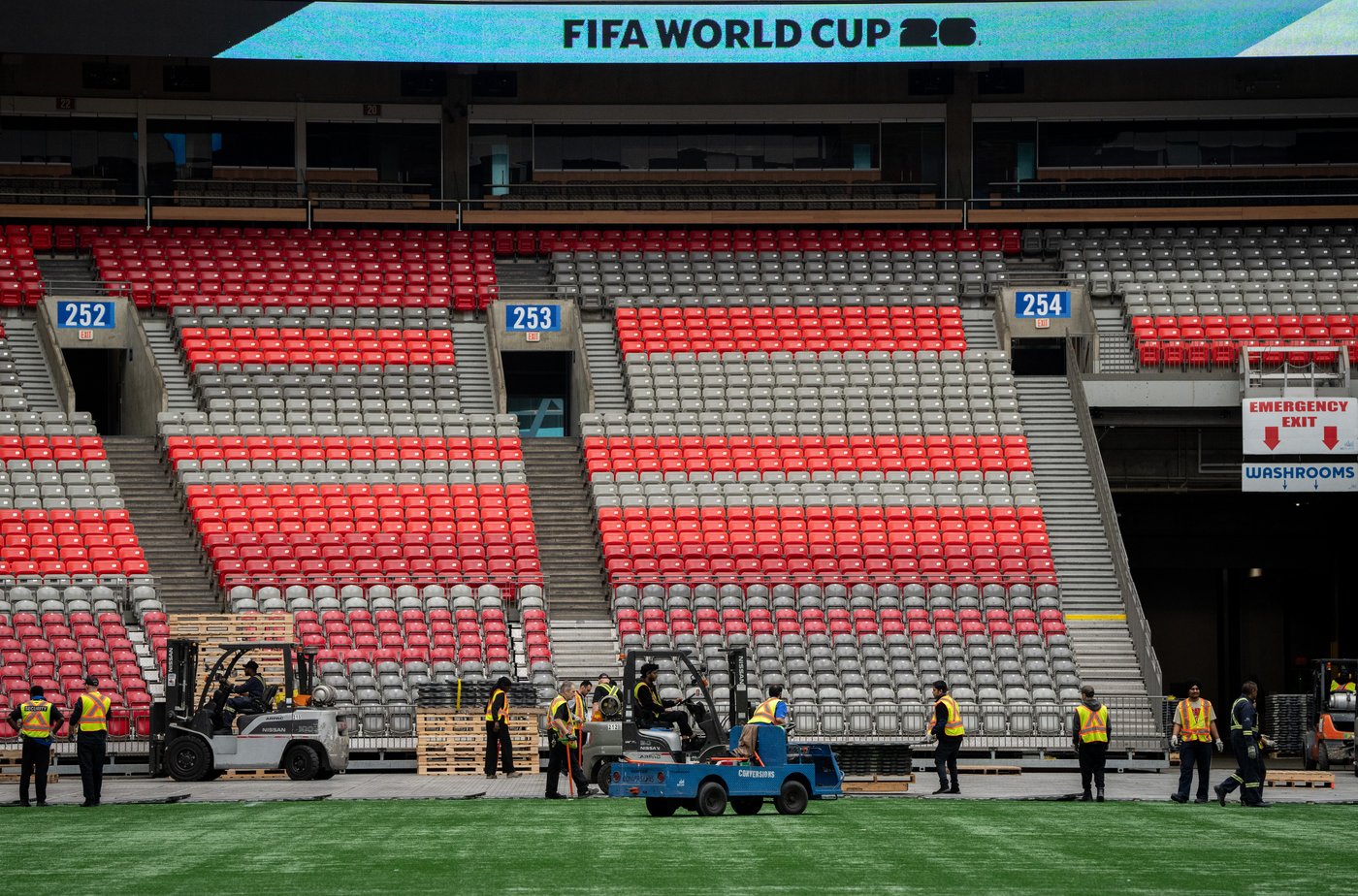
The actual venue of the seven matches, BC Place, is currently calculating costs of $171 million and $181 million.
Those costs include improvements to the stadium in order to meet FIFA standards and other operational expenses.
Economic benefits of $1.7 billion
Despite the higher overall price tag, the Ministry of Tourism stated it expects to recoup a lot of expenses through revenues, recoveries, and contributions.
According to the Ministry, this will reduce the estimated net cost significantly to $85 million at the best or $145 million at worst.
Additionally, the provincial government says it is expecting economic benefits reaching beyond hosting seven FIFA World Cup matches.
FIFA’s predictions even estimate those economic benefits to accumulate to $1.7 billion, but its economic impact assessment period covers June 2023 to August 2026.
Experts doubt economic advantages
Some economists and other experts, however, have serious doubts if all the predictions and promises will hold up to reality.
“The need to meet whatever it is that FIFA demands to make sure that they are putting on their world class event, means that Vancouver is still not done with the potential for even greater costs,” explained Moshe Lander, senior lecturer at the department of economics at Concordia University in Montreal, to 1130 NewsRadio.
The city and province base their predictions around the economic benefits mainly around the tourism industry.
Lander, however, doubts the tournament will significantly boost long-term tourism.
He says the economic benefits of hosting the World Cup have been inflated.
He notes that Vancouver hotels are usually at nearly full capacity over the summer months anyway, so the FIFA visitors would be simply displacing the normal tourism season.
Josh Matlow, a city councillor for Toronto-St. Paul’s, is another critique of hosting the games.
“We’re going to have to face a reality as to whether or not it’s worth it, given the price keeps escalating,” he told 1130 NewsRadio earlier this month.
— With files from Srushti Gangdev.